
Step 1+ malt
Malt
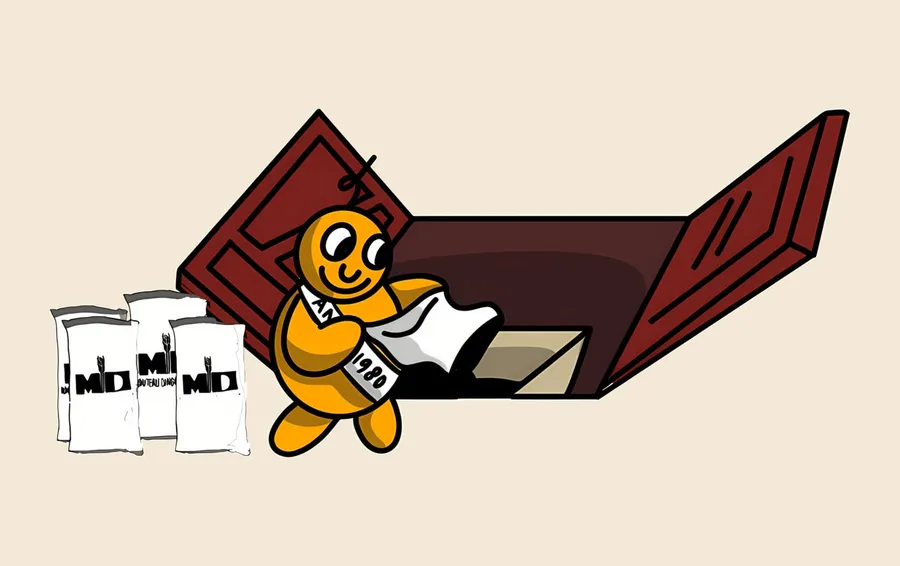
It all starts with malted barley. Sack by sack the malt goes into the hopper, on its way to the mill.
The Oerbier figure explains ↘
Ten steps from grain to bottle. Nothing filtered, nothing pasteurised, and with equipment from around 1900 that is still in use, like the mash tun and the coolship.
Start at step 1 ↓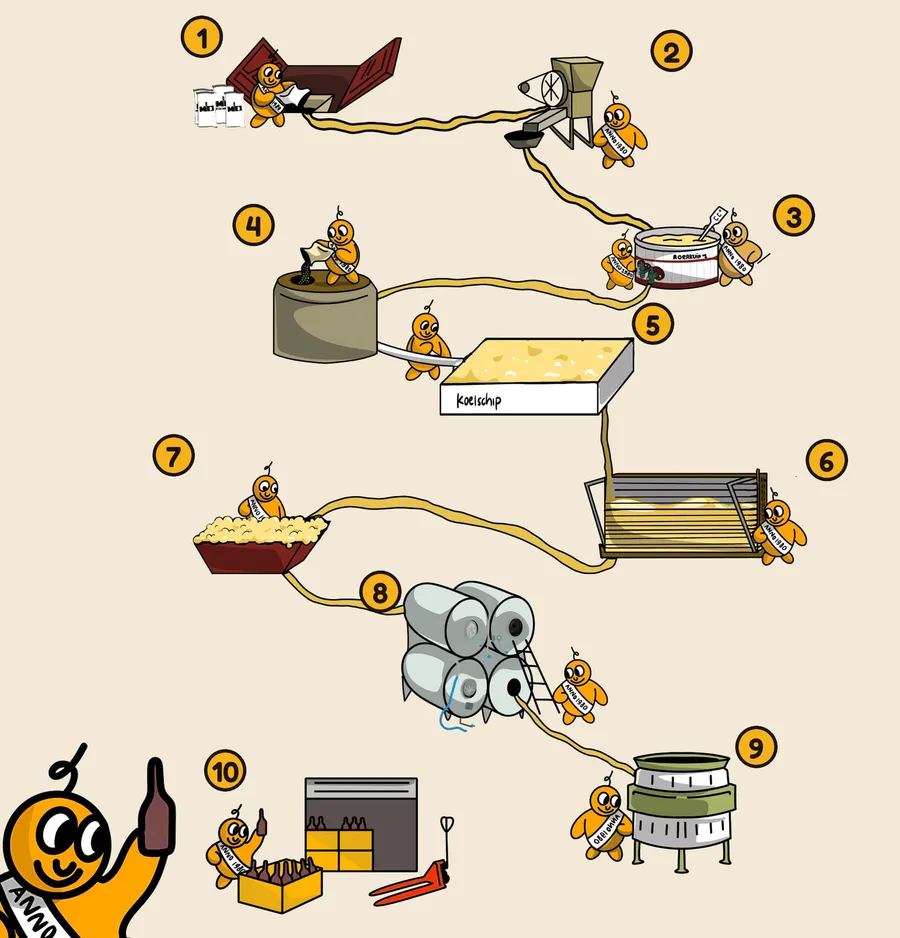
It all starts with malted barley. Sack by sack the malt goes into the hopper, on its way to the mill.
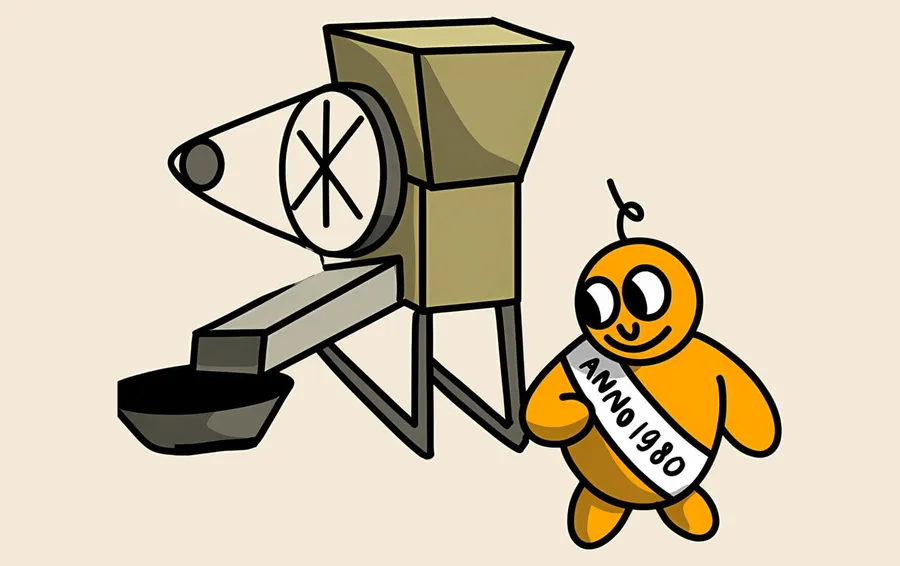
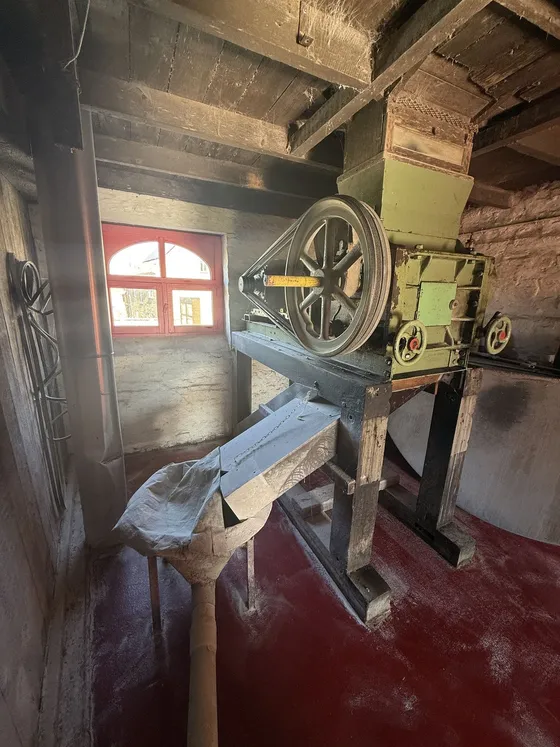
Our old malt mill cracks the grains open, so the starch inside can do its work. That faithful machine has been running here for decades.
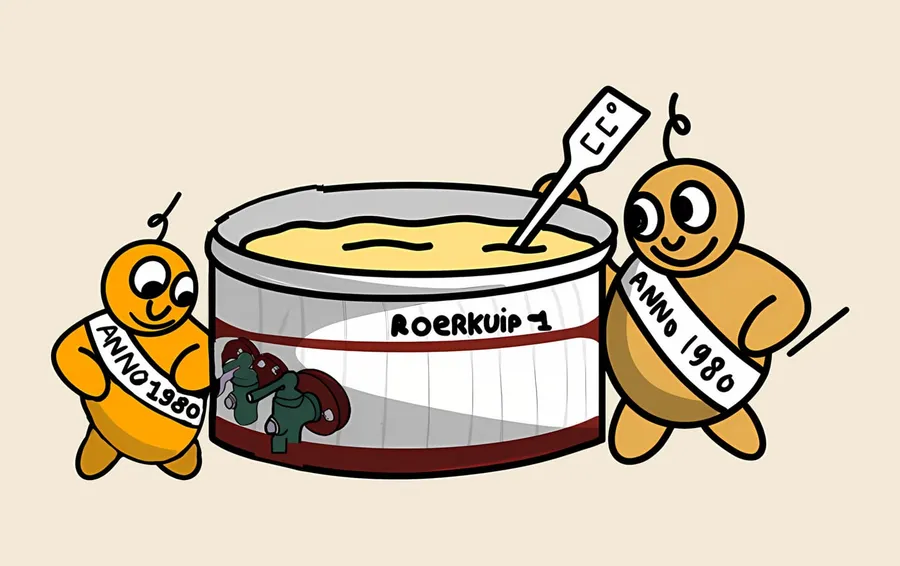
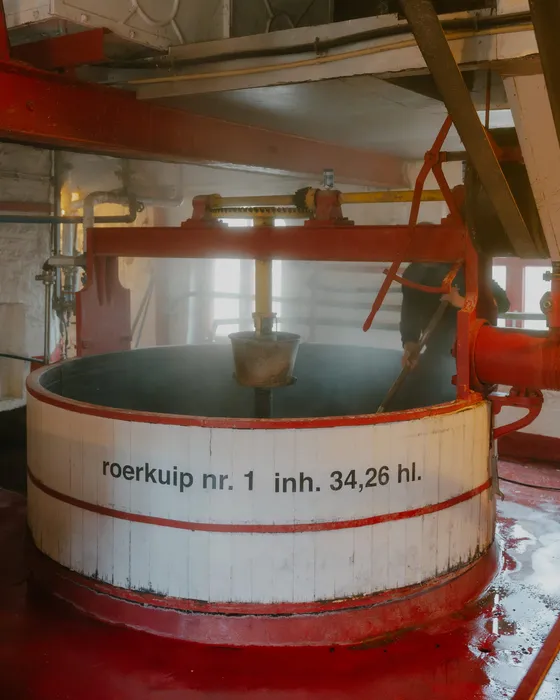
The milled malt goes into the mash tun with water from our own wells. We rest it at 63 °C and then at 73 °C, so the enzymes turn the starch into sugars. Then we filter off the sweet wort. The mash tun is probably even older than the coolship.
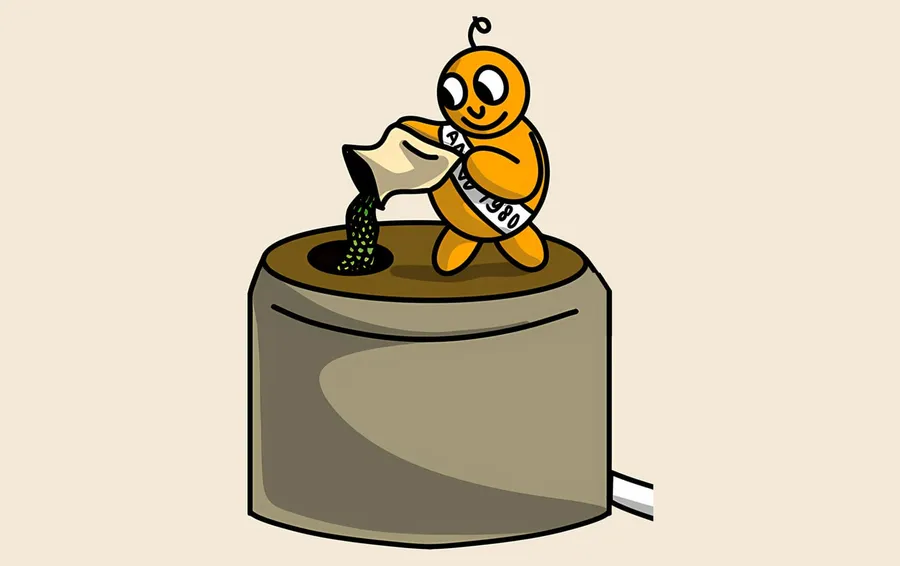
The wort comes to the boil in the brew kettle. In go the Belgian hop cones: for bitterness, aroma and natural protection.
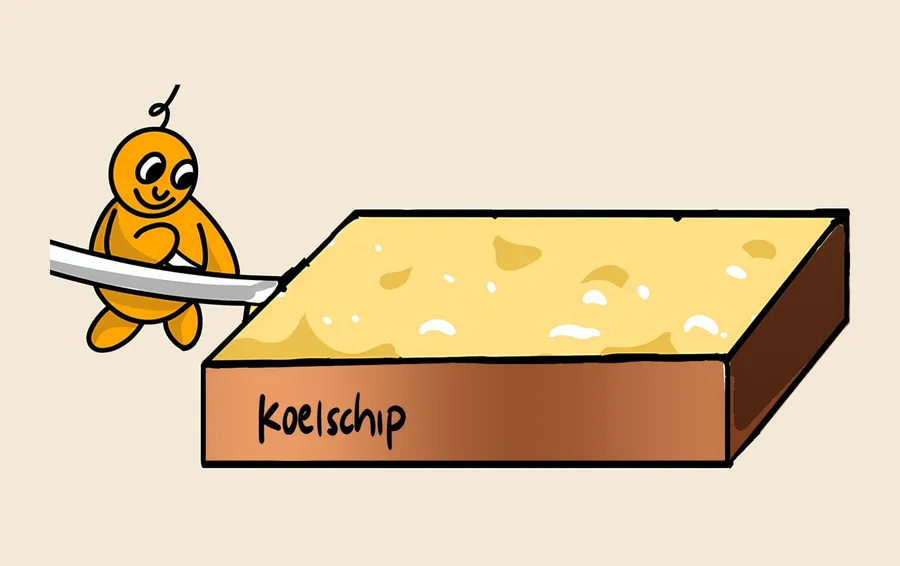
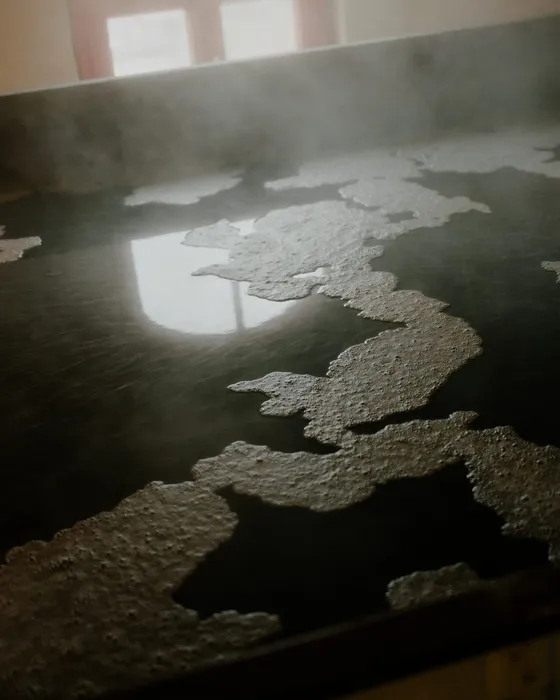
The hot wort, still around 90 °C, flows into our coolship: a wide, open copper tray. Copper, just like our fermenters. Here it rests while the sediment settles. The coolship dates from around 1900 and still does its job.
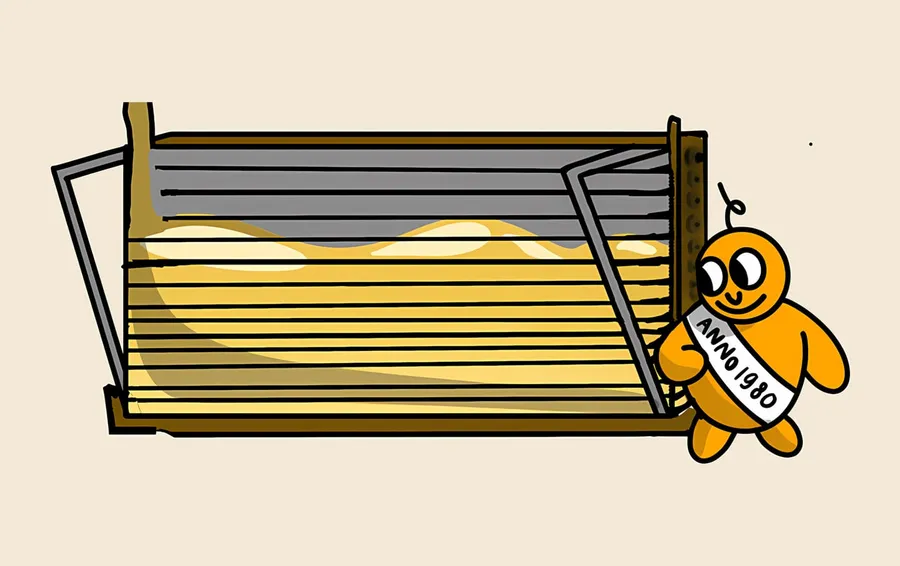
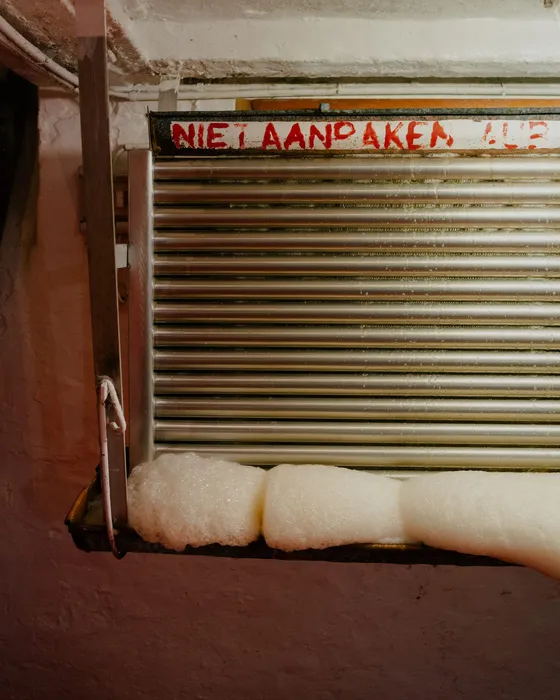
Then it runs over pipes with cold running water and drops to about 25 °C. Just right for the yeast.

In our open copper vessels our own house yeast gets to work. It turns the sugars into alcohol and CO₂. A big part of what makes a De Dolle Brouwers beer so distinctive.
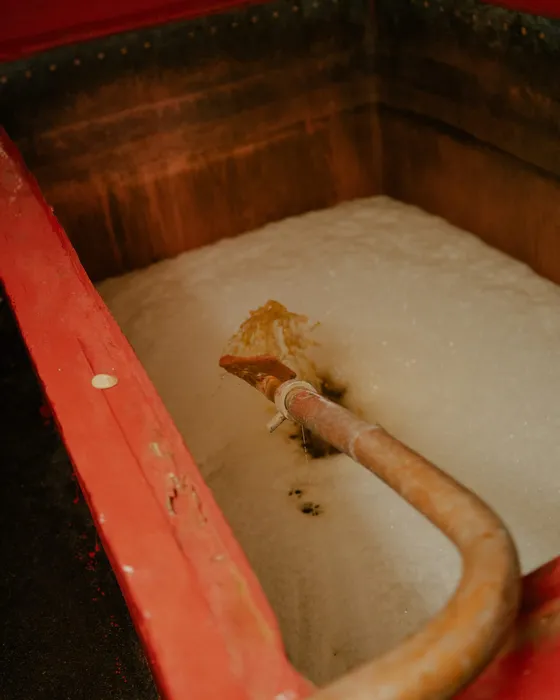
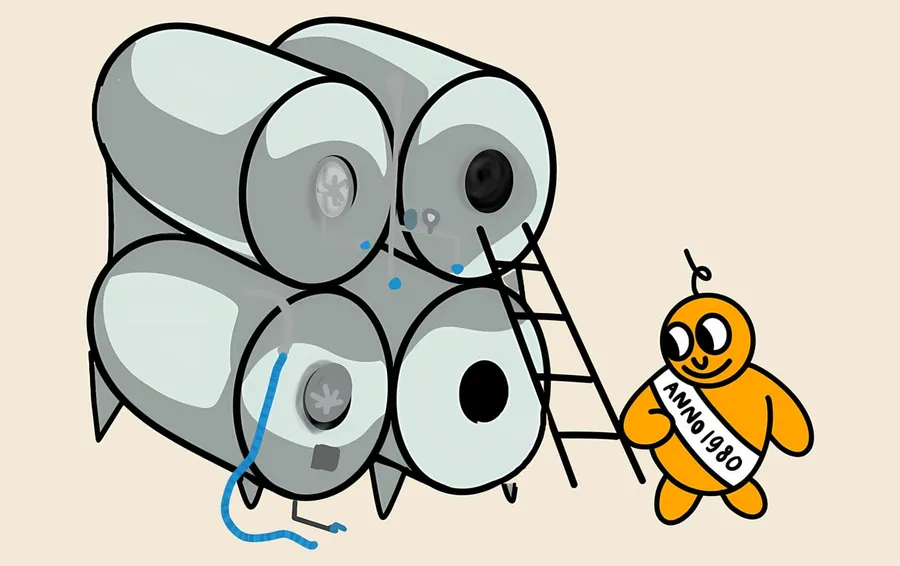
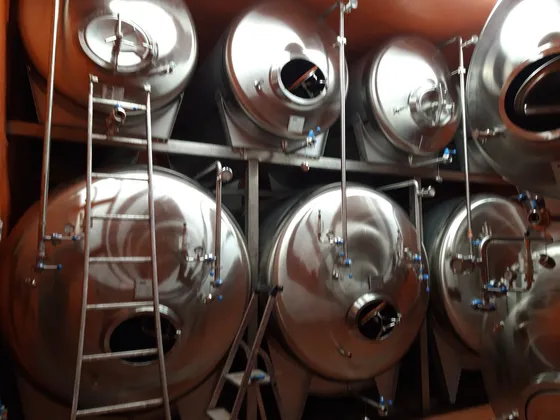
After fermentation the beer rests for at least two months in the lagering tanks, at 4 °C. We take our time: that's where the flavours round off.
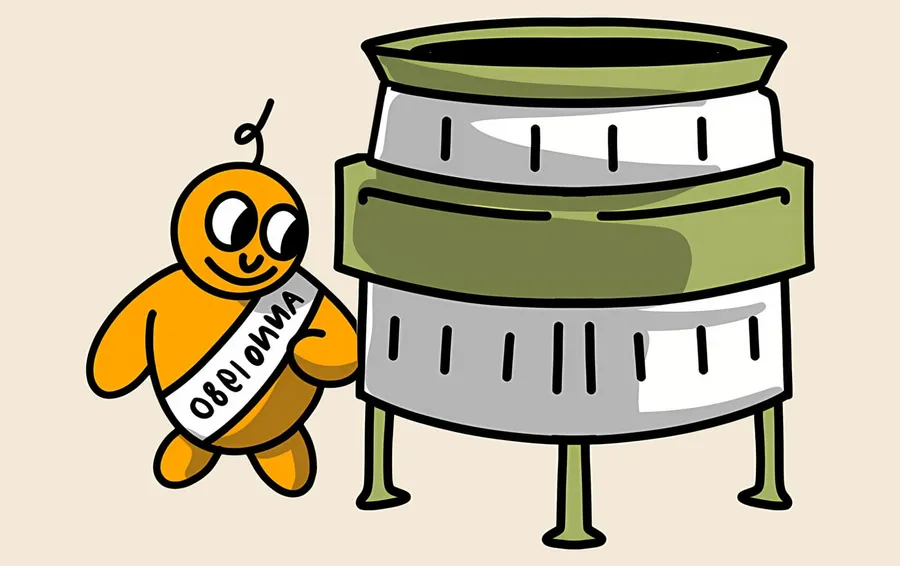
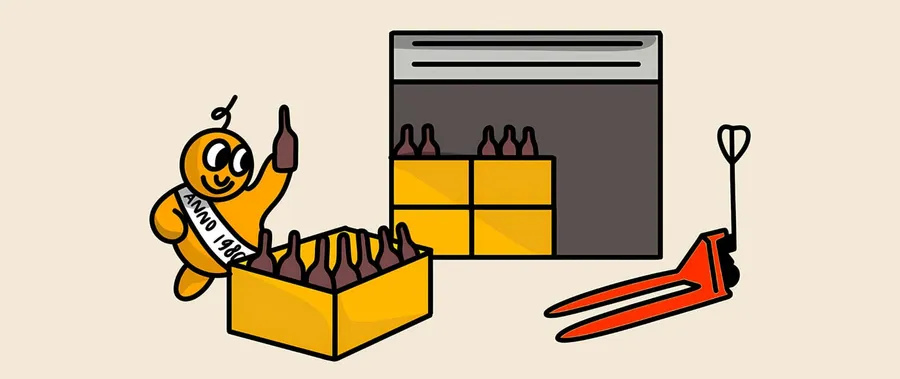
Before bottling we add a little sugar and fresh yeast. Then every bottle is filled and capped.
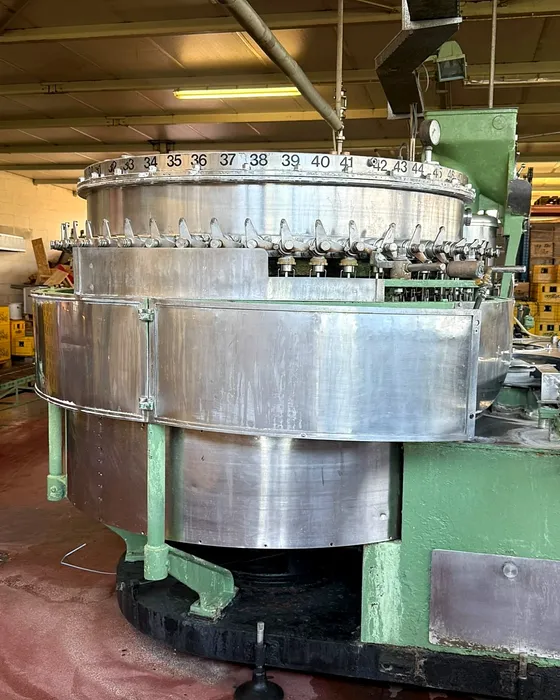
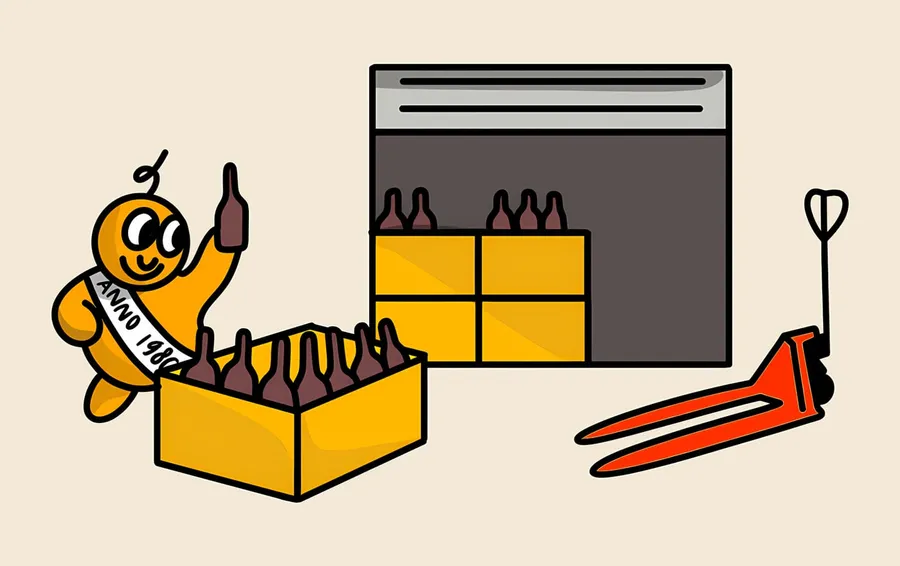
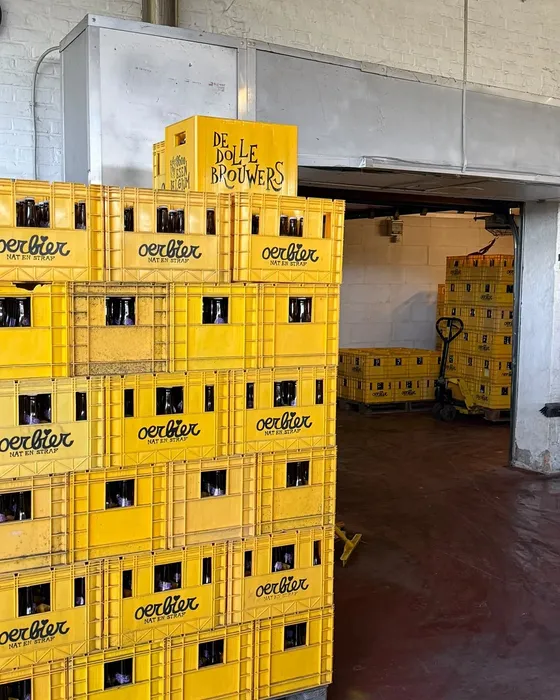
The crates go to the warm room, where the beer referments in the bottle. That's how every De Dolle Brouwers beer gets its natural sparkle.
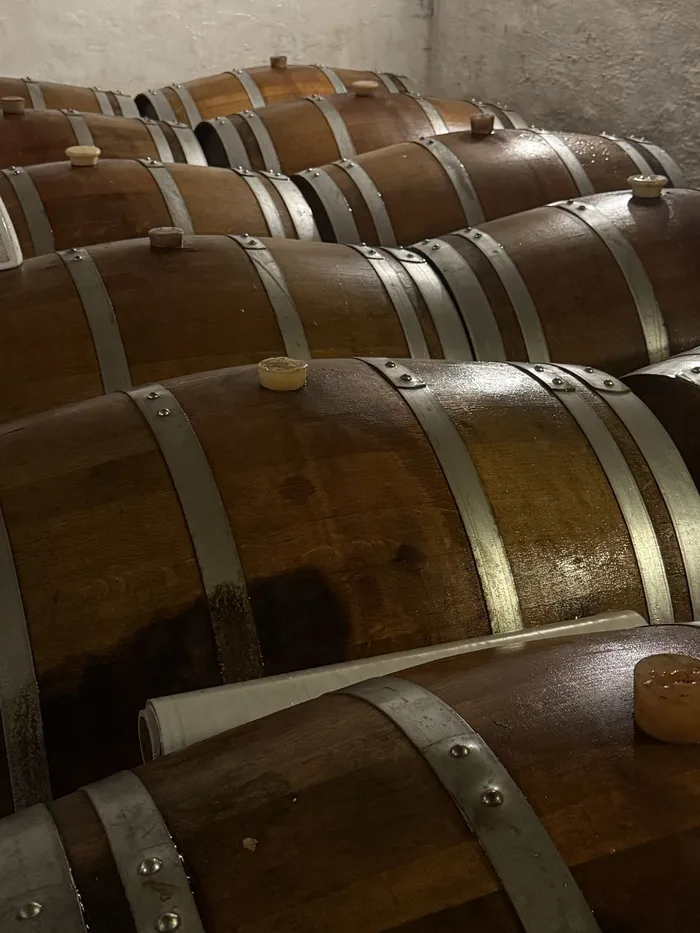
Now and then a batch of Oerbier, Dulle Teve or Stille Nacht doesn't go into the bottle after fermentation but into old wine barrels. It stays there for at least a year, sometimes much longer. It started in 1998, when Kris laid the first Oerbier to rest in old sherry casks.
To the ReservasRather see it for yourself? Every Sunday Kris takes you through the brewery, with three tastings from the cask.